Start with the next due point.
Use the applicable manufacturer schedule, service history, mileage, time, oil-life readings and engine hours where relevant. Vehicle usage determines which requirements apply.
The PM program / Maintenance planning
The fleet gets one plan. Every vehicle keeps its own maintenance requirements. We look for sensible opportunities to bring the work together.
PLAN / GROUP / REVIEWSame example fleet · September–October 2026
Two vehicles share September 21. Two share October 12.
| Vehicle | 21 Sep | 25 Sep | 12 Oct | 16 Oct |
|---|---|---|---|---|
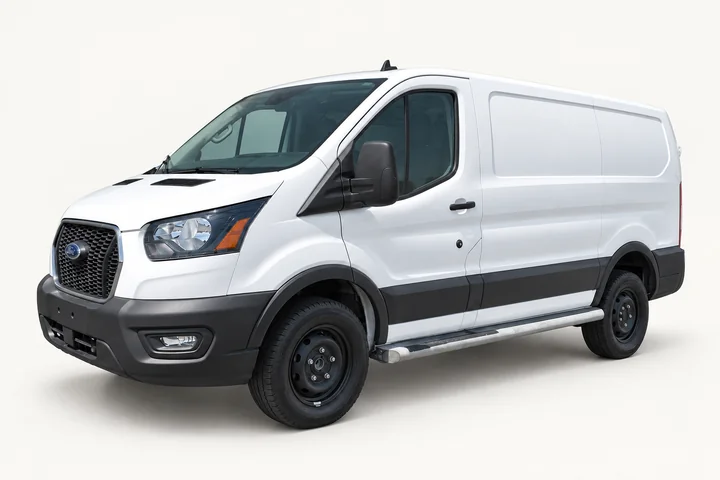 VAN-01 VAN-01 | Service 21 Sep; required by 21 Sep | |||
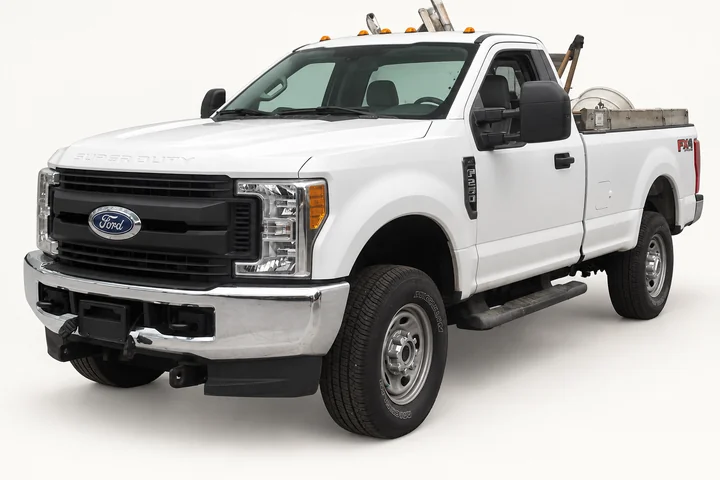 TRK-02 TRK-02 | Service 21 Sep; required by 25 Sep | |||
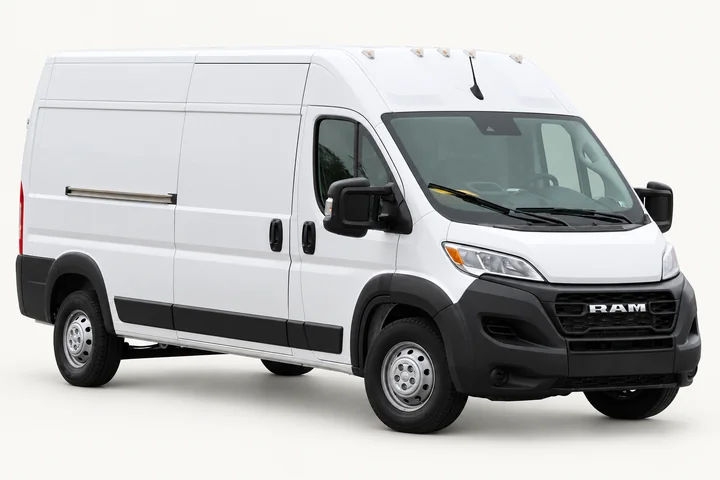 VAN-03 VAN-03 | Service 12 Oct; required by 12 Oct | |||
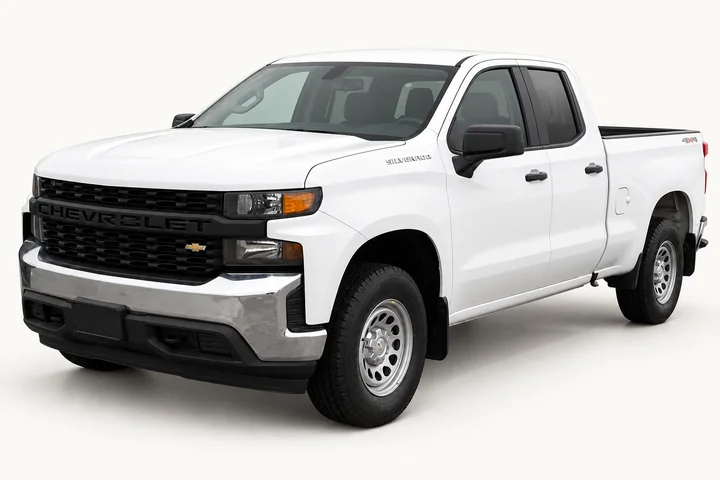 TRK-04 TRK-04 | Service 12 Oct; required by 16 Oct |
TRK-02 and TRK-04 join nearby visits when earlier timing is appropriate and agreed. The October vehicles are not pulled into September just to put everything on one date.
Illustrative dates, not manufacturer intervals or a savings guarantee. Actual timing follows vehicle requirements, usage, current condition and suitable service arrangements.
The scheduling rule
Use the applicable manufacturer schedule, service history, mileage, time, oil-life readings and engine hours where relevant. Vehicle usage determines which requirements apply.
Vehicles with similar needs and availability may share a visit. A nearly due service can move earlier when appropriate and agreed; a due vehicle does not wait for the rest of the fleet.
High-use vehicles may need additional visits. Low-use vehicles may not need the same work. New concerns and service warnings need their own assessment, outside the routine grouping plan.
Review current readings, completed work and changes in operation. A forecast is a planning tool; the applicable service requirements remain the limit.
A 12-month planning example
The planning horizon gives the relationship structure. It does not set a universal service interval or a fixed number of visits.
Understand the fleet, identify existing needs and agree on scope, price and term.
Coordinate upcoming work, document what was completed and update the next due point.
Review usage, vehicle changes and the next period of maintenance together.
Visit efficiency is one part of a fleet-specific quote.
Fleet pricing & agreementsStart with your fleet
Tell us what you run, where it works and what you want to improve. We’ll review the fit and discuss a program with you.
Request a fleet assessment An enquiry starts a conversation. It does not book a visit or commit you to a contract.